.png)


REVIEW | Malory Towers, Alexandra Palace Theatre - London

AD | Tickets gifted in exchange of an honest review. All views are our own

This simple yet powerful sentiment lies at the heart of Enid Blyton’s Malory Towers series, a celebration of friendship, independence and the strength found in female companionship. For generations of readers, Malory Towers has represented more than just a boarding school; it has been a place of adventure, loyalty and unforgettable characters. As someone who grew up reading the books, I approached Malory Towers: The Musical with both excitement and nostalgia, eager to see how this much-loved world would translate to the stage.
The production succeeds in capturing much of the warmth and charm of Blyton’s original stories, creating an affectionate celebration of the friendships and personalities that have kept audiences returning to Malory Towers for decades. While it is not without its flaws, there is a great deal to admire in its creativity, musical talent and ability to bring a familiar world to life with limited resources.
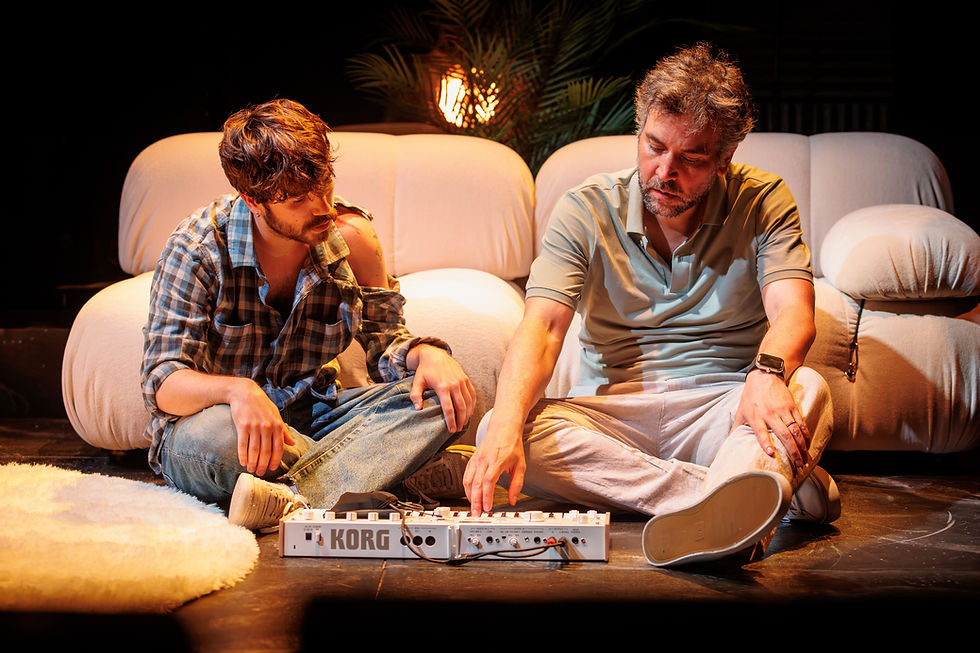
One of the production’s greatest achievements is its approach to music. Rather than separating the performers from the musicians, the actors themselves play instruments live on stage, creating an inclusive and collaborative atmosphere that reflects the sense of community at the centre of the story. This choice gives the production an organic quality, making the audience feel as though they are part of the school environment rather than simply observing it.
The vocal performances are a particular strength. The cast’s voices in Malory Towers, complement each other beautifully, with outstanding harmonies that elevate many of the musical numbers. There is a genuine sense of unity within the ensemble, and the strongest moments come when the performers combine their voices to create something larger than the individual performances. The use of recognisable songs, including Mr. Sandman, alongside original compositions provides a nostalgic familiarity while also giving the production its own identity. However, the musical choices are not always completely successful; there are moments where certain songs feel disconnected from the narrative, appearing to interrupt the story rather than naturally enhance it.
There are several individual performances which stand out. Zoe West as Bill Robinson (Wilhelmina) delivers one of the production’s most memorable performances, bringing an infectious energy, confidence and charisma to the role. Their portrayal captures Bill’s adventurous personality while showcasing an exceptional singing voice that immediately commands attention.
Molly Cheesley as Alicia Johns is another highlight, bringing excellent comic timing and a mischievous confidence to the role. Alicia’s jokes and quick remarks repeatedly had the audience laughing out loud, providing some of the production’s most enjoyable moments. The humour feels natural and helps maintain the playful spirit of the original stories.
Stephanie Hockley's vocal performances, who play's Irene DuPont, also deserve particular recognition. Whenever Hockley sang, their voice seemed to completely capture the attention of the theatre, creating moments of genuine stillness and connection. Hockley's performances demonstrated the impressive vocal strength within the company and added emotional depth to the production.

Malory Towers production design, by Lez Brotherston, embraces simplicity, but this works largely in its favour. The rustic theatre setting feels perfectly suited to the world of Malory Towers, creating an intimate atmosphere that complements the nostalgic nature of the story. A simple set, enhanced by projections, allows locations to shift smoothly while keeping the focus on the performers and the storytelling. The understated costume design, also by Brotherston, similarly avoids distraction, allowing the audience to concentrate on the characters rather than elaborate visual effects.
The use of puppetry is another inspired creative choice. These moments add humour and imagination, creating some genuinely comical sequences that bring a playful energy to the stage.
While the actors themselves deliver committed and talented performances, sometimes the character portrayal made it difficult at times to fully believe in the world of Malory Towers. Also the pacing presented some challenges. The first half occasionally feels slow, with sections that could benefit from tighter editing and a stronger sense of momentum. Thankfully, the second act finds its rhythm, becoming more energetic and engaging. Moments where characters break the fourth wall inject fresh humour and create a stronger relationship between performers and audience, allowing the production to feel more spontaneous and lively.
The structure of the production is another area where it feels less assured. The opening flashback and later return to another school setting do not always feel fully connected to the central concept. While the idea has potential, the transitions between timelines lack the emotional clarity needed to make the framing device feel essential. The ending also feels abrupt, arriving quickly and leaving the audience without the satisfying sense of closure that the story deserves.
Ultimately, Malory Towers: The Musical is a production filled with heart. Its strongest qualities lie in its talented ensemble, beautiful harmonies, creative staging and ability to evoke nostalgia for those who grew up with the books. Although the pacing, structure and casting choices prevent it from reaching its full potential, there is still much to enjoy.
★★★.5
Malory Towers is currently playing at Alexandra Palace Theatre, London until 2nd August: https://www.alexandrapalace.com/whats-on/malory-towers/